

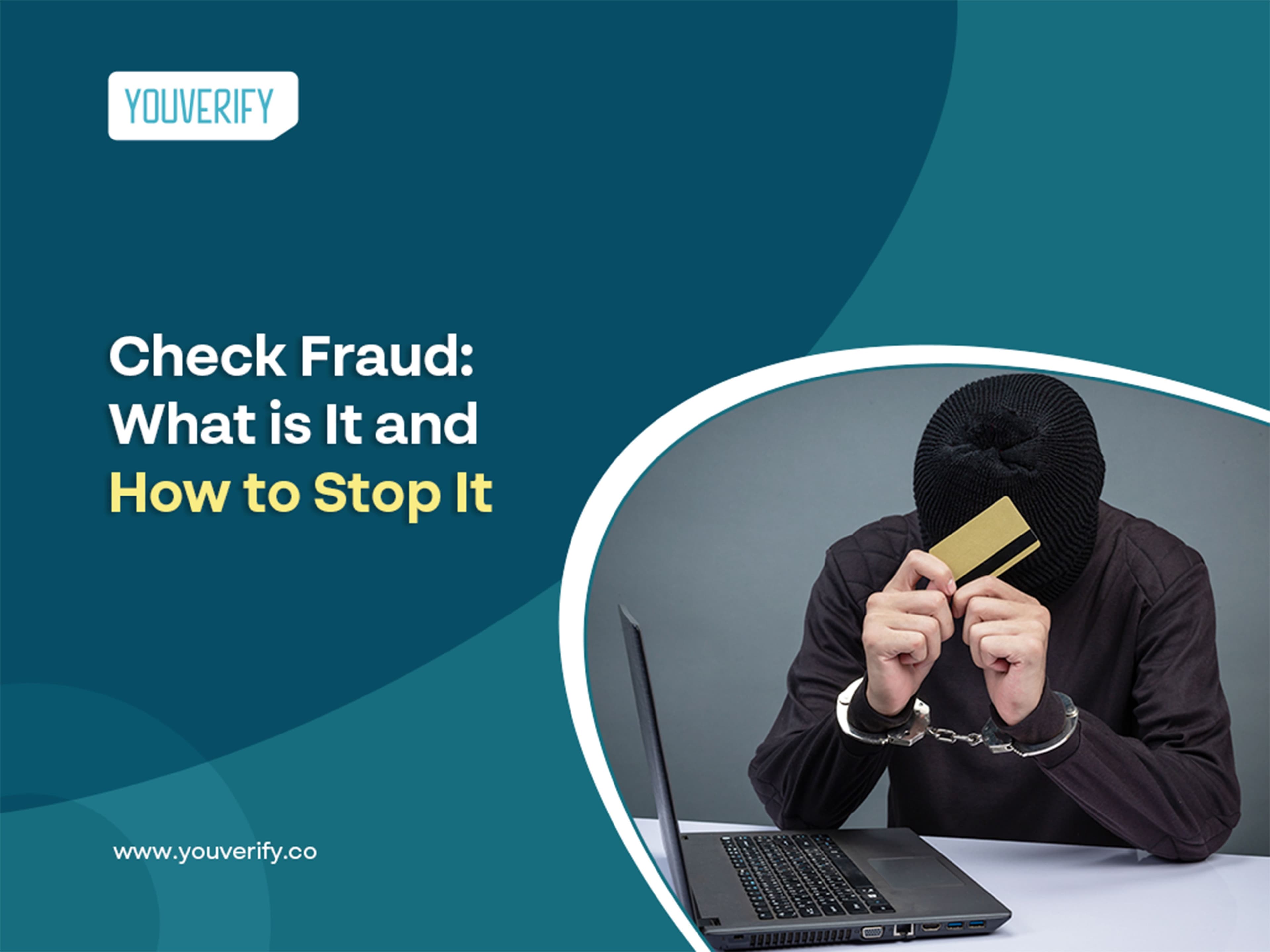
Check Fraud: What is It and How to Stop It
Check fraud is on the rise, and cybercriminals are becoming more sophisticated with their tactics.
In Klamath Falls, a county in Oregon, the Sheriff issued a public service announcement (PSA) on February 24, 2025, warning residents about fake check scams. A resident of Klamath Falls received a check in a suspicious envelope in their mailbox. The envelope lacked the standard painted tracking on its stamp and contained a letter alongside a check for a staggering $9,900.74, claiming they had won a prize and instructing them to cash it.
This is a typical example of check fraud. Cybercriminals attempt to deceive victims into cashing fraudulent checks, leading to financial losses and legal trouble. Understanding types of check fraud, how it operates, and ways to implement check fraud prevention can help protect individuals and businesses from falling victim to these scams.
What Is Check Fraud?
So, what is check fraud and how is it investigated? Check fraud refers to any criminal act involving the unlawful use of paper or digital checks to gain money or property illegally.
Is Check Fraud a Federal Crime?
Check frauds can be considered a federal crime, especially when they involve the theft of large sums of money, multiple victims, or large financial institutions.
Fraudsters use various tactics that include:
- Fake Checks – Scammers create fake checks that look real, typically impersonating businesses or financial institutions.
- Altered Checks – A genuine check is stolen and modified, often by changing the payee name or check amount.
- Forged Checks – Criminals forge a signature on a check to make illegal or unauthorized withdrawals.
- Check Kiting – This scam exploits the time delay in check processing by writing bad checks between multiple accounts to create artificial balances.
- Stolen Checks – Fraudsters intercept and use stolen checks for fraudulent transactions.
- Overpayment Scams – Scammers send fraudulent checks to victims, instructing them to deposit the check and return a portion of the funds, only for the check to bounce later.
These tactics highlight the importance of check fraud detection methods to identify and stop fraudulent activities before they cause significant financial damage.
How To Detect And Stop Check Fraud
Check fraud protection can be achieved when potential victims learn about types of check fraud and how to prevent them.
Effective Ways to Detect Check Fraud Include:
1. Look Out for Red Flags
Fake checks often have odd fonts or distorted logos that do not match legitimate financial institutions. They may also contain typos or formatting errors, making them different from typical checks.
2. Verify Checks
Always verify checks with the issuing bank. Call the bank and ensure the check is legitimate before depositing it.
3. Be Cautious
If you receive a check from a contest you never entered, it's likely fraudulent. Always verify claims of sudden inheritances or unknown relatives claiming to send you money.
4. Never Send Money Back
If someone asks you to send money back after depositing a check, it is a telltale sign of fraud. Fraudsters often use this trick to lure victims into their schemes.
5. Report Suspicious Checks
Reporting suspicious activity is crucial in the investigation of check frauds. Authorities such as the police or the Federal Trade Commission (FTC) should be alerted immediately.
By following these precautions, you can stay informed on check fraud prevention and minimize your risk of becoming a victim.
How to Prevent Check Fraud
So, how do you prevent check fraud, or how do you protect yourself or your business from fake check scams?
Check Fraud Prevention Can Be Achieved by Taking the Following Precautions:
1. Verify Checks Before Depositing Them
If you receive a check from an unknown sender, contact the issuing bank to verify its legitimacy immediately.
2. Use Secure Payment Methods
Instead of paper checks, opt for safe payment options such as electronic transfers, mobile banking, or direct deposits.
3. Protect Your Checks
Keep personal and business checks in a secure location to prevent theft or unauthorized access.
4. Monitor Bank Accounts Regularly
Regularly checking your bank statements can help with check fraud detection by identifying suspicious transactions early.
5. Use Fraud Prevention Tools
Many banks offer check fraud protection services, including check verification, positive pay, and real-time fraud alerts. Using these tools can significantly enhance your security.
6. Limit Check Writing
Reduce the frequency of writing checks whenever possible. Safer payment options like credit cards or digital wallets offer more security.
7. Shred/Tear Up Old Checks and Bank Statements
Dispose of outdated checks properly to prevent criminals from using them for fraud.
8. Educate Yourself and Employees
If you own a business, ensure that employees are trained in check fraud prevention and the investigation of check frauds. Recognizing suspicious activities early can save your business from significant financial losses.
Taking these relevant steps can significantly enhance your ability to check fraud protection and prevent potential losses.
Related: Business Fraud Protection: A Guide for Every Business
Bottom Line
Fraud will always be a threat to individuals and businesses. Check fraud or fake check scams are just one of the many financial fraud schemes that exist.
To stay ahead of fraud, it is crucial to remain vigilant and adopt check fraud detection strategies that can identify fraudulent transactions before they occur.
With Youverify’s check fraud prevention tools, fake check scams can be significantly reduced and even stopped.
Curious to know how it works? Book a free demo now and see how Youverify can help you stay protected from check frauds.
Related Articles

Fraud Detection Using Machine Learning - How Does it Work?

What is Bank Fraud with Examples