

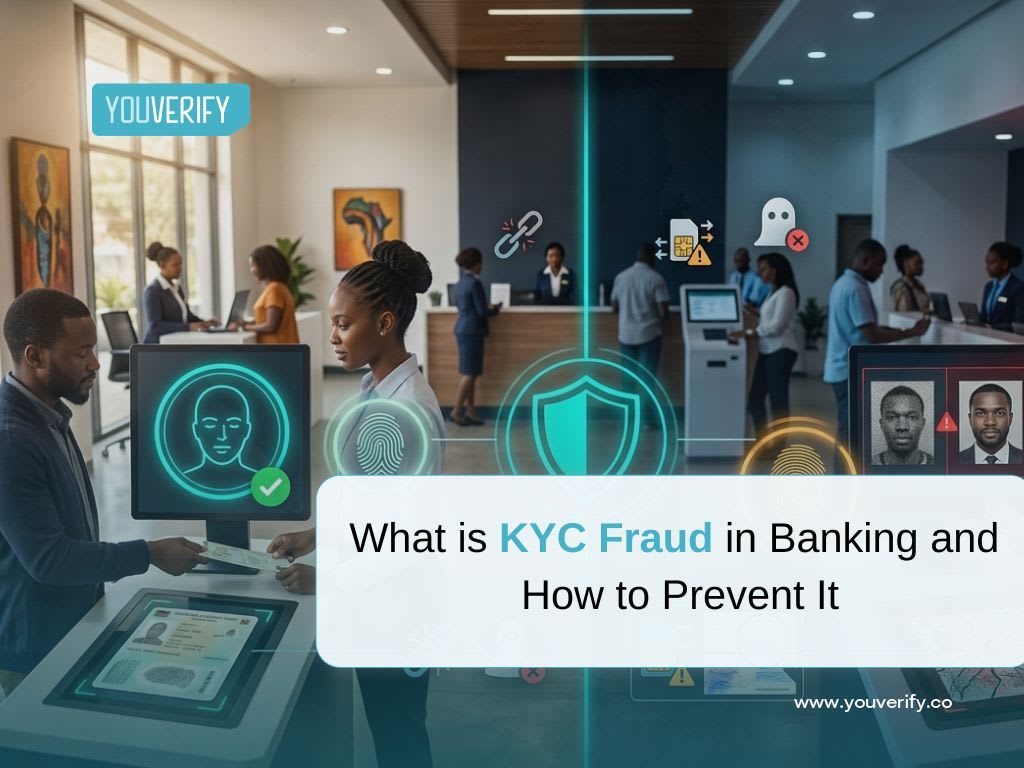
What is KYC Fraud in Banking and How to Prevent It
Key Takeaways
- KYC fraud occurs when criminals manipulate identity verification processes using fake, stolen, or synthetic identities.
- Strong KYC fraud detection combines identity verification, document authentication, biometrics, and real-time risk scoring.
- Continuous monitoring after onboarding is essential for effective KYC compliance and fraud prevention.
- AI-powered KYC solutions help banks detect fraud faster while improving customer onboarding and regulatory compliance.
KYC (Know Your Customer) is one of the most important safeguards banks use to prevent fraud, money laundering, and other financial crimes. By verifying a customer's identity before opening an account, financial institutions can reduce risk and meet regulatory requirements.
However, fraudsters are now getting more difficult. Instead of trying to bypass the KYC process, many now attempt to manipulate it using fake identities, forged documents, synthetic identities, and AI-generated deepfakes.
This article explains what KYC fraud is, the most common types of KYC fraud in banking, how to identify suspicious activity, and the strategies banks can use to strengthen KYC compliance/KYC fraud detection.
What Is KYC Fraud?
KYC fraud occurs when individuals or organised criminal networks manipulate identity verification processes to gain unauthorised access to financial products or services.
Rather than bypassing compliance controls altogether, fraudsters exploit weaknesses within the KYC process by submitting fake, stolen, altered, or synthetic identities that appear legitimate enough to pass verification.
Once a fraudulent account is successfully opened, it may be used for money laundering, terrorist financing, account takeover, mule account operations, or other forms of financial crime.
What Is KYC Fraud in Banking?
KYC fraud in banking specifically targets the customer onboarding and identity verification stages, where financial institutions collect and verify customer information such as government-issued IDs, addresses, biometric data, and other identity records.
Weak identity verification processes make it easier for fraudsters to create fraudulent accounts, conceal their identities, and access banking services without detection.
Read on: KYC Verification Processs Explained
Common types of KYC fraud in banking include:
1. Identity Theft
Fraudsters use stolen personal information, often obtained through phishing attacks or data breaches, to open accounts in another person's name.
2. Synthetic Identity Fraud
Synthetic identity fraud combines genuine information, such as a BVN or national ID number, with fabricated personal details to create a completely new identity.
Because these identities do not initially belong to a real victim, they are often more difficult to detect than traditional identity theft.
3. Document Forgery
Fraudsters submit fake or manipulated identity documents during customer onboarding in an attempt to bypass identity verification.
Advanced document verification and biometric checks reinforce KYC compliance and help identify these fraudulent submissions before accounts are approved.
4. Deepfake and Biometric Spoofing
Artificial intelligence is increasingly being used to generate fake facial images, videos, and voice recordings designed to bypass facial recognition and liveness detection systems.
5. Insider-Assisted KYC Fraud
In some cases, employees deliberately bypass KYC compliance procedures or approve suspicious applications in exchange for financial incentives.
For financial institutions, these attacks can result in regulatory penalties, financial losses, reputational damage, and increased AML compliance risk.
Common Signs of KYC Fraud to Watch For
Pay attention to certain warning signs that frequently appear during the customer onboarding and KYC verification process.
Common indicators include:
- Identity information that does not match official records.
- Altered or low-quality identity documents.
- Multiple applications submitted using the same device or contact information.
- Biometric verification failures or liveness detection issues.
- Synthetic identity indicators, such as inconsistent personal information.
- High-risk customers attempting to open accounts from unusual locations or devices.
Recognising these warning signs early helps strengthen KYC fraud detection and reduces the risk of fraudulent accounts being approved.
How to Prevent KYC Fraud in Banks
Preventing KYC fraud requires more than verifying identity documents. Financial institutions should adopt a layered approach that combines identity verification, risk intelligence, biometrics, and continuous monitoring.
1. Use Multi-Layer Identity Verification
Relying on a single identity document is no longer enough as identity fraud is a common issue. Banks should combine government ID verification, biometric authentication, document verification, data matching, and behavioural analysis to confirm that customers are who they claim to be.
2. Implement Real-Time Risk Scoring
AI-powered risk engines analyse identity data during onboarding and assign risk scores based on suspicious patterns, helping compliance teams identify high-risk applicants before accounts are approved.
3. Strengthen Biometric Verification and Liveness Detection
Advanced biometric verification and liveness detection help prevent spoofing attempts involving photographs, videos, masks, or AI-generated deepfakes.
4. Continuously Monitor Customer Risk
KYC compliance should continue after onboarding. Continuous monitoring helps institutions detect unusual customer behaviour, dormant accounts that suddenly become active, changes in customer risk profiles, and suspicious transaction activity.
5. Integrate KYC with AML Monitoring
KYC process and AML compliance should work together rather than operate as separate functions.
Integrating identity verification with transaction monitoring gives financial institutions greater visibility into customer behaviour and helps detect financial crime more effectively throughout the customer lifecycle.
Related: Strategies to Prevent KYC Fraud in Banking
Detect and Prevent KYC Fraud with Youverify
Banks need intelligent KYC fraud detection that combines identity verification, biometrics, document verification, and continuous risk monitoring in one connected platform.
Youverify helps financial institutions detect fake, stolen, and synthetic identities before accounts are opened. By combining AI-powered identity verification, document authentication, biometric verification, liveness detection, data matching, and real-time risk intelligence, banks can identify suspicious applicants faster while maintaining a seamless onboarding experience for genuine customers.
Whether you're strengthening KYC compliance, improving KYC fraud detection, or reducing manual reviews, Youverify cowork provides the tools financial institutions need to prevent fraud with greater speed, accuracy, and confidence.
Speak with our compliance experts to see how Youverify helps banks detect and prevent KYC fraud.
Frequently Asked Questions
Related Articles

Fraud Detection Using Machine Learning - How Does it Work?

What is Bank Fraud with Examples