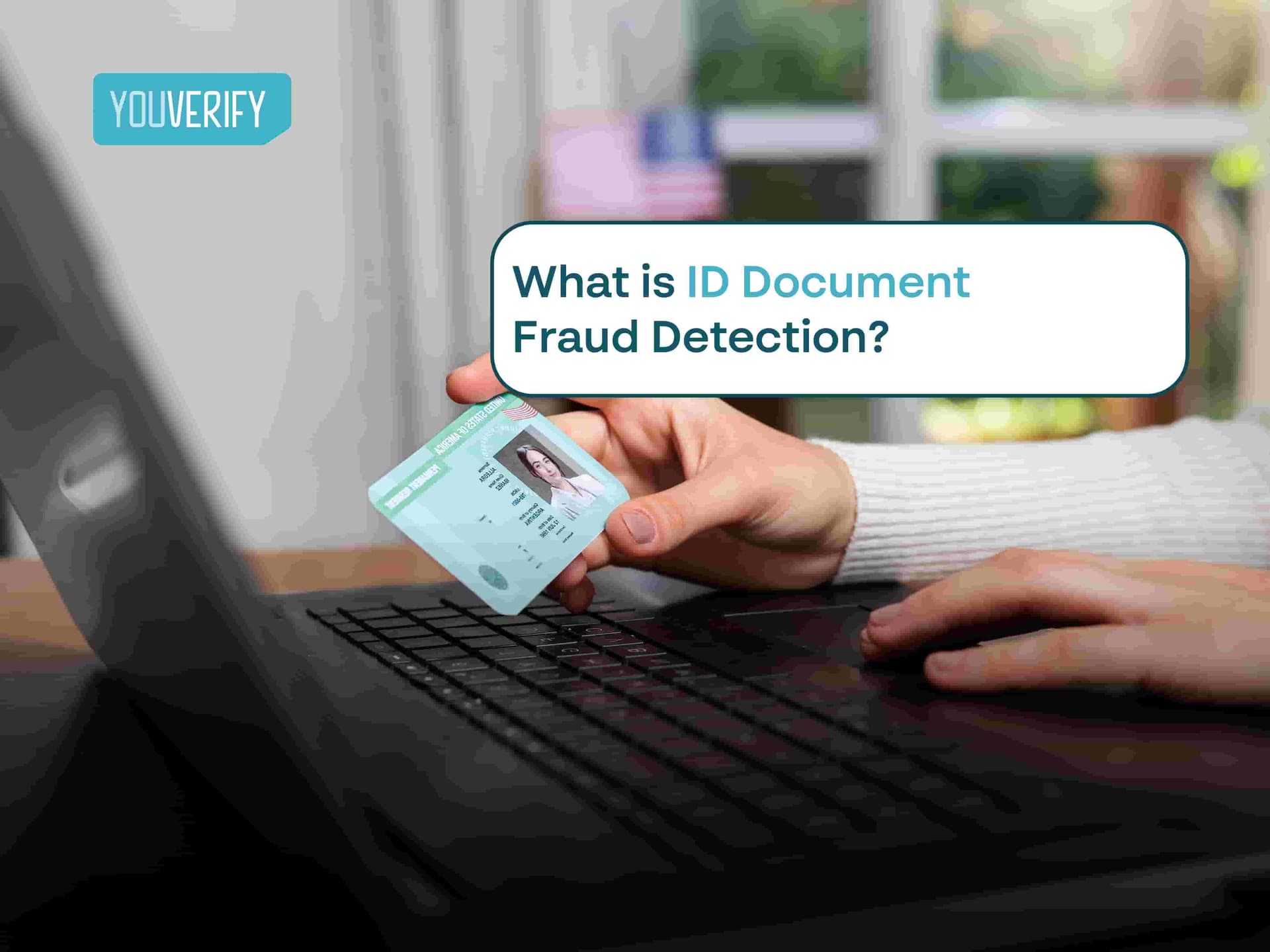
What is ID Document Fraud Detection?
Key Takeaways
1. ID document fraud detection is essential for modern KYC and AML compliance, especially as fraudsters use AI and synthetic identities.
2. Layered verification combining document checks, biometrics, and liveness detection offers the strongest defense against ID fraud.
3. Scalable, automated ID verification systems help organizations meet global ID requirements while reducing fraud and onboarding friction.
Introduction
Before digital verification for fraud detection and compliance became prevalent, registration and KYC processes used to rely on manual processes. Users or applicants submitted physical documents (IDs, utility bills, and two forms of ID), which compliance staff reviewed by comparing signatures, faces, and document details. But this process was slow, took hours and days, and heavily relied on human judgment, which can be flawed.
Also, this process was not scalable and was easily manipulated by fraudsters, especially when good fakes were made and users bribed agents or staff. To solve this problem, digital ID verification software was adopted, but fraudsters evolved; they could now spoof, manipulate, and reuse documents at scale.
They also created synthetic identities at scale, a mismatch of fake and real details and documents made with generative AI. That is why digital ID document fraud detection software or systems are very important for KYC and AML procedures.
What is ID Fraud Detection?
ID Document Fraud Detection is the set of techniques, algorithms, measures, and procedures designed to detect when a presented ID document is forged, manipulated, or presented falsely in order to steal one’s identity. The aim is to distinguish legitimate IDs (and legit users presenting them) from fraudulent ones.
ID requirements for fraud detection include the following steps:
1. Document authenticity check
Is the document genuine, altered, or fake?
2. Data consistency & template check
Are the fields (name, date, and issuing authority) consistent and well-formed? Does it conform to known templates for that country or issuing authority? This helps detect fake REAL ID–style documents or altered layouts.
3. Face match and biometric check
Does the photograph (or biometrics) on the ID match the live person presenting it?
4. Liveness and anti-spoofing
Can the person presenting the document provide live footage of themselves in real time to show that they are real or that they have not stolen the identity?
5. Contextual risk checks
Cross-checking metadata, device signals, submission patterns, watchlists, or past submissions to detect anomalies or high-risk behavior.
Best Practices for ID Fraud Detection
1. Use multiple checks together.
Relying on just one verification method makes it easy for fraudsters to slip through. For example, if you only use OCR to read document data, a forged ID with accurate text could still pass. By combining checks such as document forensics, template validation, biometric face match, and liveness detection, you build a layered defense that is harder to bypass.
2. Keep document templates updated.
Every country and even some states have unique ID layouts, fonts, and security features. Fraudsters often target systems that use outdated libraries, as they fail to recognize subtle design changes. Regularly updating document templates ensures accurate verification of passports, driver’s licenses, I-9 documents, and other government-issued IDs.
3. Guide users to capture clear images
A large portion of verification failures happens because the photos are blurry, poorly lit, or cut off. To prevent this, integrate capture guidance into your process: show users on-screen instructions, use edge detection, and prompt retakes if the photo quality is too low. This improves accuracy and reduces unnecessary rejections.
4. Add liveness and face match.
Verifying that the person presenting the ID is alive and truly the owner of the document is crucial. Liveness detection ensures that the selfie or video isn’t just a printed photo, replayed video, or deepfake. When combined with face-matching technology against the ID portrait, it confirms the rightful person is present during onboarding.
5. Flag and review suspicious cases
Automated systems can handle most low-risk verifications quickly, but high-risk or unclear cases need human oversight. Having a manual review step for flagged submissions helps catch edge cases, reduces false rejections, and ensures fraud attempts don’t sneak past automated filters.
6. Continuously monitor and adapt.
Fraud techniques evolve constantly, from sophisticated document forgeries to AI-powered deepfakes. To stay ahead, monitor fraud trends, analyze incident reports, and retrain your models regularly. Updating your risk rules and technology stack ensures your fraud detection process remains effective over time.
Detect Document Fraud Seamlessly With Youverify
Youverify’s ID Document Verification solution enables banks, fintechs, neobanks, insurers, digital lenders, and online platforms to detect fraudulent IDs in real time.
The platform supports a wide range of government-issued documents, including passports, driver’s licenses, voter IDs, residence permits, and other compliance-driven ID requirements. Using AI-powered document analysis, template validation, biometric face matching, and liveness detection, Youverify stops spoofing, deepfakes, and identity misuse at scale.
With customizable risk rules, real-time results, 99.9% accuracy, and seamless API/SDK integration, Youverify strengthens fraud defenses without slowing down onboarding.
To get started, book a demo today.
FAQ
Q1. What is the key fraud indicator in ID documents?
Common fraud indicators include mismatched fonts or layouts, altered photos, inconsistent data fields, expired documents, and failed biometric face matches during verification.
Q2. How can document fraud be detected?
Document fraud is detected through a combination of authenticity checks, template validation, biometric verification, liveness detection, and contextual risk analysis.
Q3. How do I check if my ID has been used for fraud?
If you suspect misuse, contact your financial institution immediately, monitor your accounts for unusual activity, and report the issue to relevant authorities. Some identity monitoring services can also alert you to suspicious usage.
Q4. What are the three types of document fraud?
The three main types are
1. Forged documents
2. Altered documents
3. Impersonation or misuse real IDs
Related Articles

What Is A Neo Bank?
How to Protect Your Business from Identity Fraud in the US