


Key Takeaways:
1. A personal identification number is a unique identifier that confirms a person's identity for access or transaction approval on banking and digital platforms.
2. Robust identity verification and fraud prevention measures are needed to effectively complement the PIN-based security in today's environment.
3. PIN numbers improve digital identity verification because they add an additional level of security for use with sensitive transactions.
Introduction
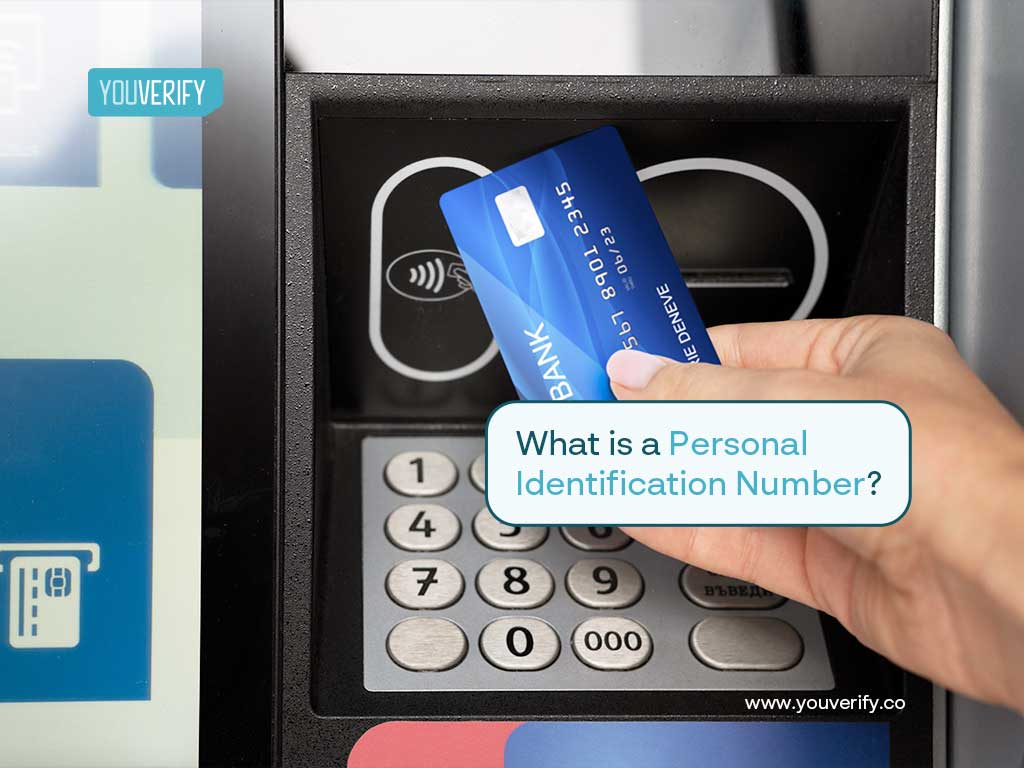
With digital identity verification and online transactions becoming more prevalent and seamless, a personal identification number (PIN) remains relevant. Whether it’s for withdrawing cash from an ATM, authorizing card transactions, or accessing mobile banking applications, a PIN number is used to verify that the individual performing the request is indeed the account holder.
They support secure access to accounts and help protect sensitive data, and they introduce a simple, yet powerful, layer of identity verification. Even with sophisticated authentication mechanisms, PINs are still widely used because they are easy to implement and users are familiar with them.
This article answers the question of what the PIN is, how it works, and why it continues to play an important role in banking, payments, and digital identity verification systems.
What Does Personal Identification Number Mean?
A personal identification number is a secret numeric password that is used to authenticate the identity of a user accessing an account, a device, or a service. It is most widely used in banking and financial systems but also relevant for any digital platform that needs a secure way of access.
When someone asks, "What does personal identification number mean?" they really want to know what the term is about and what makes it different from a normal password. The PIN number is proof that the individual conducting the transaction or login is entitled to use the account or service. That’s why PINs are kept secret, and only the holder of the account should know the PIN.
A personal identification number also authenticates users while making transactions and prevents fraudulent use in the event that the credit card or device is misplaced or stolen.
How Does the Personal Identification Number Work?
As mentioned, the personal identification number is typically a numeric code and is often four to six characters in length. For example, "01234".
When the user submits their PIN, the system compares it to a stored value that is protected. If the information is correct, the person is allowed in. Otherwise, the transaction or the login is rejected.
Because a PIN number is supposed to be known only to the user, it provides a second factor of authentication on top of physical cards or digital credentials. This relatively simple mechanism explains why personal identification numbers are still considered a reliable security feature in banking and digital access today.
Also Read this – Guide to Biometric Authentication Methods
How Personal Identification Numbers Are Used
A personal identification number is used across many everyday financial and digital interactions where secure access is required. Rather than describe the user, the PIN identifies that the user is who they claim to be and is allowed to take the action.
Common uses of a PIN number include:
- Permitting withdrawals and deposits of cash at ATMs
- Protecting access to mobile banking and payment applications
- Using them as a fallback option if other authentication methods do not work
- Preventing misuse when cards or devices are lost
- Enabling point-of-sale payments in person
Due to its flexibility, personal identification numbers remain widely used across banking and digital platforms, supporting secure access without adding unnecessary complexity for users and service providers.
How Personal Identification Numbers enhance Digital Identity Verification and Security
A personal identification number plays a supporting role in modern digital identity verification systems. As identity checks confirm who a person is, a PIN number helps confirm that the verified user is the one carrying out the sensitive action.
In many systems, a PIN number works jointly with other authentication factors such as biometrics, passwords, or device-based recognition. This multi-layered strategy enhances protection against unauthorized access, as one layer may be breached.
A personal identification number also supports fraud prevention by restricting what attackers can do with stolen cards, credentials, or devices. Inputting the wrong personal identification number can lock you out even if other information has been compromised. This is why a personal identification number continues to be used across banking, payments, and digital platforms as a simple but reliable security layer.
Bottom Line
Personal identification numbers are still a fundamental tool for security in today's digital financial-services world. They offer a simple and effective method to manage access, authorize transactions and perform digital identity verification across banking and payment networks.
With the risk of fraud on the rise, relying only on PIN numbers is not enough. Banks require multi-layered security, strong identity verification, and real-time monitoring to safeguard both their users and sensitive information.
Youverify supports fraud prevention and data security by enabling organizations to verify identities, flag anomalies, and improve digital access controls.
To get onboard with the right and secure fraud prevention tool, speak with a compliance and identity verification expert today.
FAQs
Q1. Where do I find my personal identification number?
Your PIN number is issued by your bank or service provider when you create or activate an account. You can personally change it after. It is usually not displayed publicly for security reasons.
Q2. Is PIN the same as SSN?
No. A PIN number is a private security code used for access, while an SSN is a government-issued identification number.
Q3. How to check my PIN number online
You usually cannot view your PIN online. If forgotten, it must be reset through your bank or service provider.